April 26th, 2024
The man, the myth, the legend, the lady’s pet and the men’s threat – our guy Frank is back and he’s sniffed-out another grudge race on the streets (of Mexico). Frank will get these competitors set up to go “full send” with all the camera angles and audio you crave. Prepare yourself for 60 to 150 mph roll racing action. The Mark IV Supra is what makes Toyota enthusiasts hearts go pitter-pat. Adding to the intrigue tonight: this one appears to be of the Japanese Domestic Market (JDM) variety. Right-hand drive is the primary clue. Looking particularly sleek in silver Read More
Posted in American, Chevrolet, Contests, GoPro, Imports, Muscle Cars, Toyota, Videos | Comments Off on Big Turbo JDM Supra vs. All-Motor C6 Corvette – Street Hits
April 22nd, 2024
Tonight, we have competitors representing two contrasting styles of transportation. In the first lane, the car is loud and obnoxious. It is belching race gas fumes and slinging bits of burnt rubber everywhere. The exhaust note from this car is deafening. In the opposite lane is a vehicle that requires no traction optimizing burnout. There are no exhaust fumes and – most riveting – it makes virtually no sound. Let’s get a closer look at these sleds. The beautifully loud and menacing automobile is the Chevrolet Corvette Z06. It’s a C7, or seventh generation, if you are curious. Under the Read More
Posted in American, Chevrolet, Contests, Electric, GoPro, Muscle Cars, Tesla, Videos | Comments Off on Ported Blower Corvette Z06 vs. Tesla Model X Plaid – Street Hits
April 19th, 2024
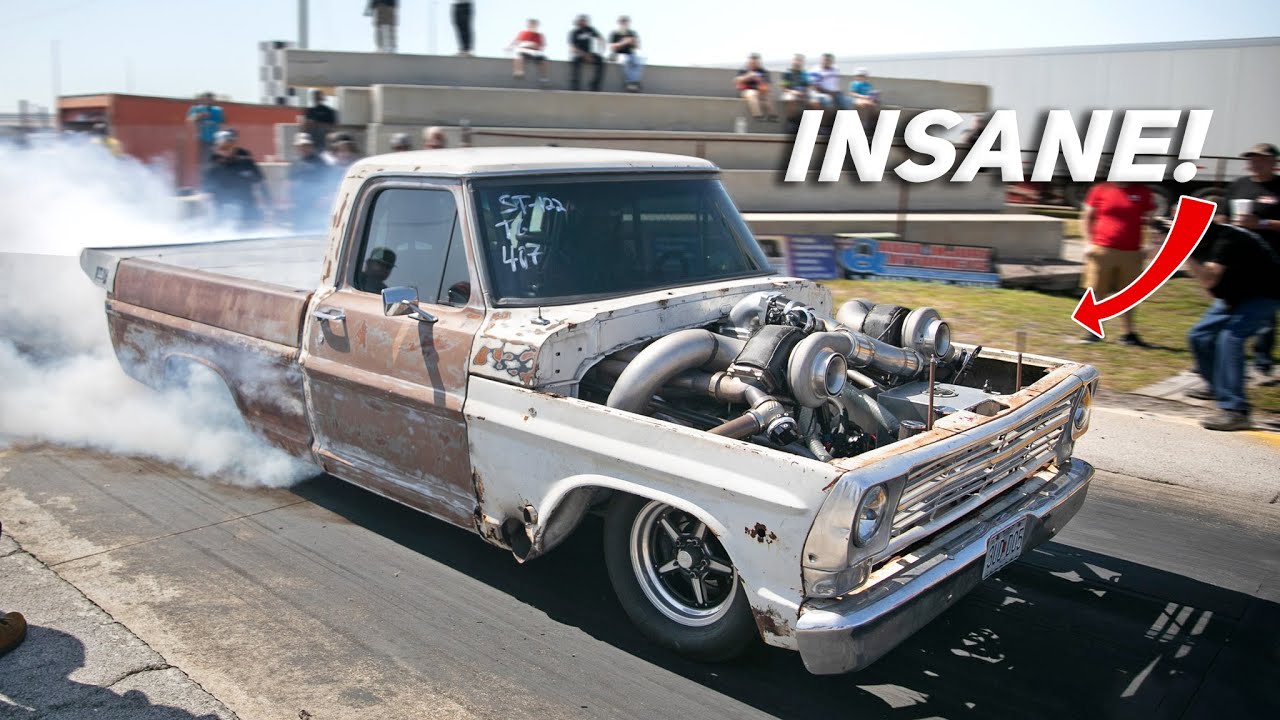
The very mention of Uncle Jessie brings back images of the General Lee Mopar flattening the hills and straightening the curves. Well, this Uncle Jessie Ford F100 ain’t taking any quick curves but he will blister the asphalt in a straight line. Get ready for this rambunctious restomod purpose built for drag racing. Nothing fancy here. Uncle Jessie is a 1969 Ford F100 with an all-steel body (and glass) on a custom fab chassis. It’s a different story under the hood. That massive mill is a 585 cubic-inch Ford big block with a pair of 80-millimeter turbochargers. Yep, that’s an Read More
Posted in American, Chevrolet, Contests, Drag Racing, Ford, GoPro, Videos | Comments Off on Yee-Haw! It’s Uncle Jessie – Twin Turbo 1969 Ford F100
April 18th, 2024
Round man Frank is making the street racing scene once again. This time he has located a grudge race between a Cadillac and a Ford. Big Frank has a nose for speed. He seeks out the best street racing action in Mexico and documents the action. Brace yourself. Tonight, we have a modified Cadillac CTS-V with a Whipple blower and all the necessary accoutrements. The stock CTS-V comes with an all-aluminum 6.2-liter supercharged V8 engine that can churn out 640hp and 630 lb.-ft. of torque. This rear-wheel drive sedan features an 8-speed automatic transmission and tips the scale at 4,141-pounds. Read More
Posted in American, Cadillac, Contests, Ford, GoPro, Muscle Cars, Videos | Comments Off on Whipple Cadillac vs. E85 Mustang GT – 50 to 150 Street Hits
April 17th, 2024
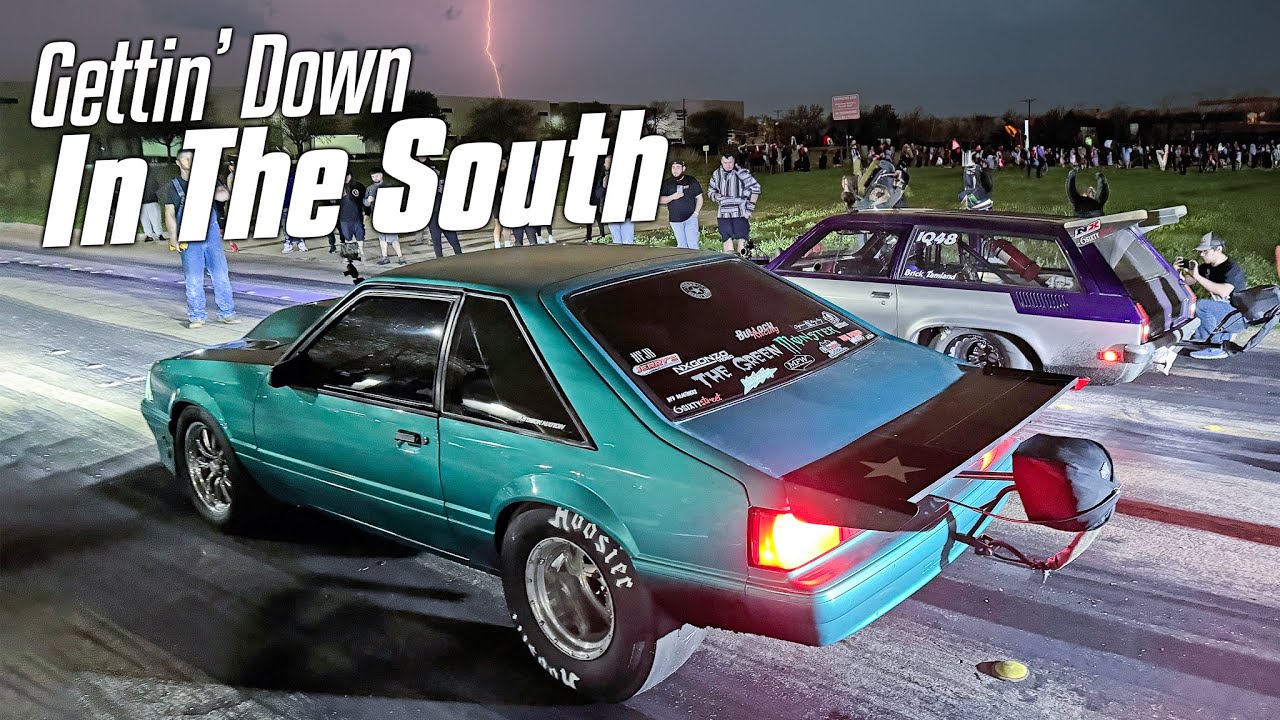
Speaking with an accent akin to my own, the iconic band known as Lynyrd Skynyrd said they were headed “Down South Jukin’ and looking for some peace of mind”. These crazy South Texas gearheads are after anything but peace. It’s pandemonium they seek in the form of a Mini Texas Cash Days (about a dozen cars) on the streets (of Mexico). Shall we investigate further? Walking past a turbo LS swapped BMW, our initial encounter is with a man in a Silverado pickup. He’s running a 408 cubic-inch V8 motor with aftermarket cylinder heads and a 98-millimeter turbocharger. The automatic Read More
Posted in American, BMW, Chevrolet, Contests, Drag Racing, Ford, GoPro, Honda, Imports, Muscle Cars, Nitrous, Videos | Comments Off on Down South Jukin’ – Texas Cash Days
April 16th, 2024
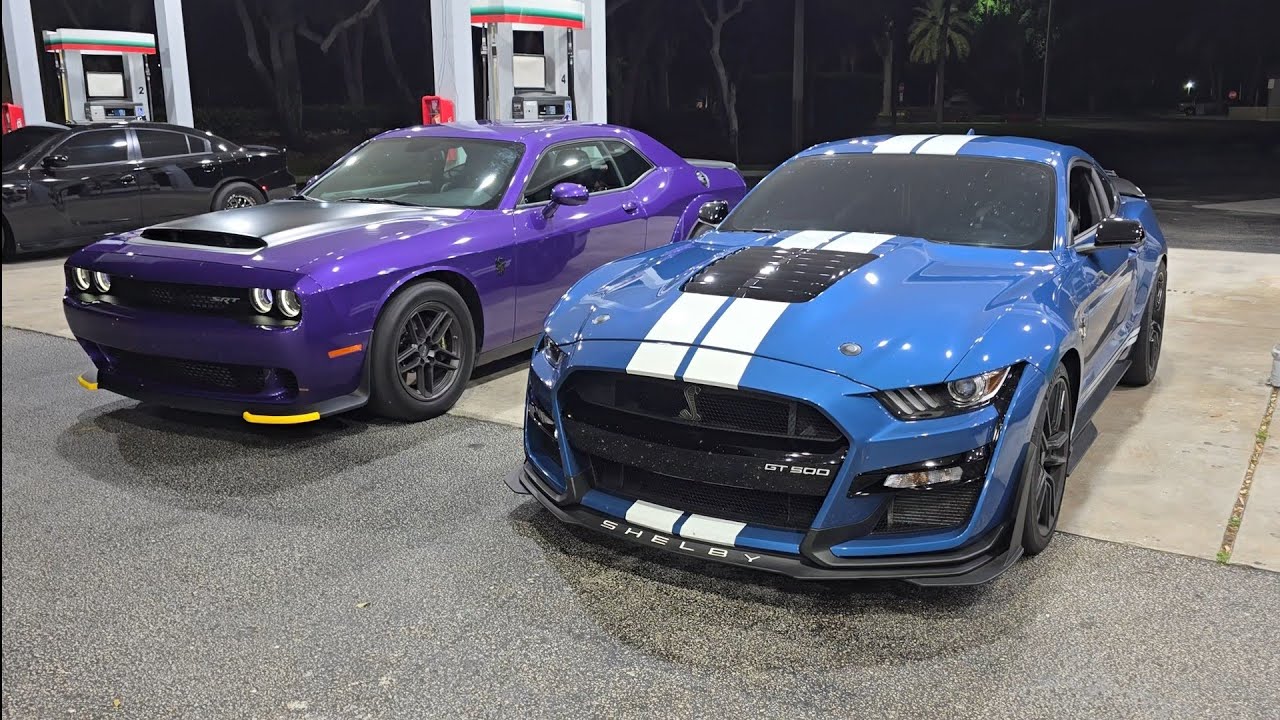
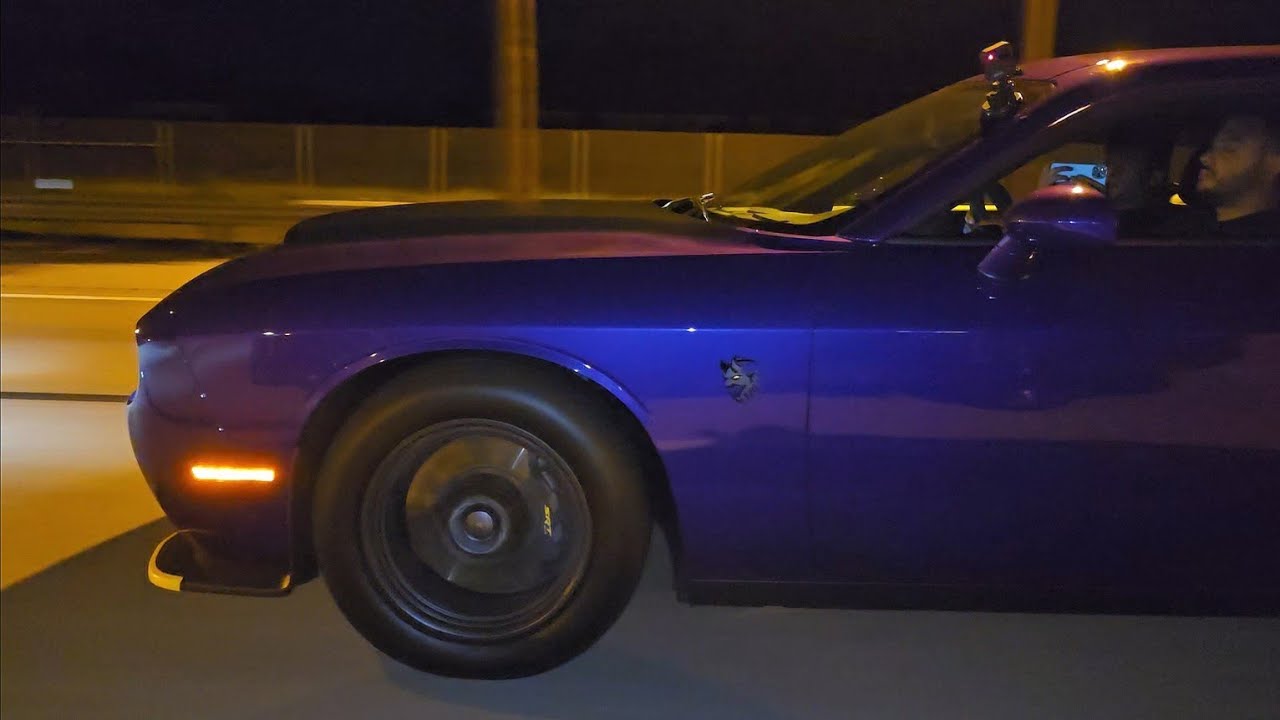
The high-powered Dodge Demon 170 has chosen another victim and is circling its prey. We join the action already in progress as these combatants lock horns in a struggle for cash and bragging rights. Here we go! As the top of the heap for the Ford Mustang lineup, the 2021 Ford Mustang Shelby GT500 is packing plenty of punch. At a curb weight of 4,171-pounds, the GT500 comes equipped with a supercharged 5.2-liter engine aptly named The Predator. The all-aluminum (block and heads) V8 is capable of producing 760hp and 625 lb.-ft. of torque. With the 7-speed automatic transmission, the Read More
Posted in American, Contests, Dodge, Ford, GoPro, Muscle Cars, Videos | Comments Off on Mustang GT500 vs. Dodge Demon 170 – Street Hits
April 15th, 2024
Nothing has spurned more street races than the timeless battle of brand loyalty between Ford and Chevy. This video takes a look at a grudge match between a 1955 Chevrolet Bel Air and a 1931 Ford Model A. Both vehicles have been dramatically altered for drag racing purposes. Since both cruisers have the potential to lay down 8-second quarter-mile passes, they are each considered pretty fast. Let’s have a closer look. With a ton of new parts installed, Finnegan takes to the interstate in his Chevy. After a pit stop at Wild Horse Motorsports Park in Chandler, Arizona, the Chevy Read More
Posted in American, Chevrolet, Contests, Drag Racing, Ford, GoPro, How To, Muscle Cars, Videos | Comments Off on ROADKILL – 1955 Chevy vs. 1931 Ford Model A – Drag Race
April 13th, 2024
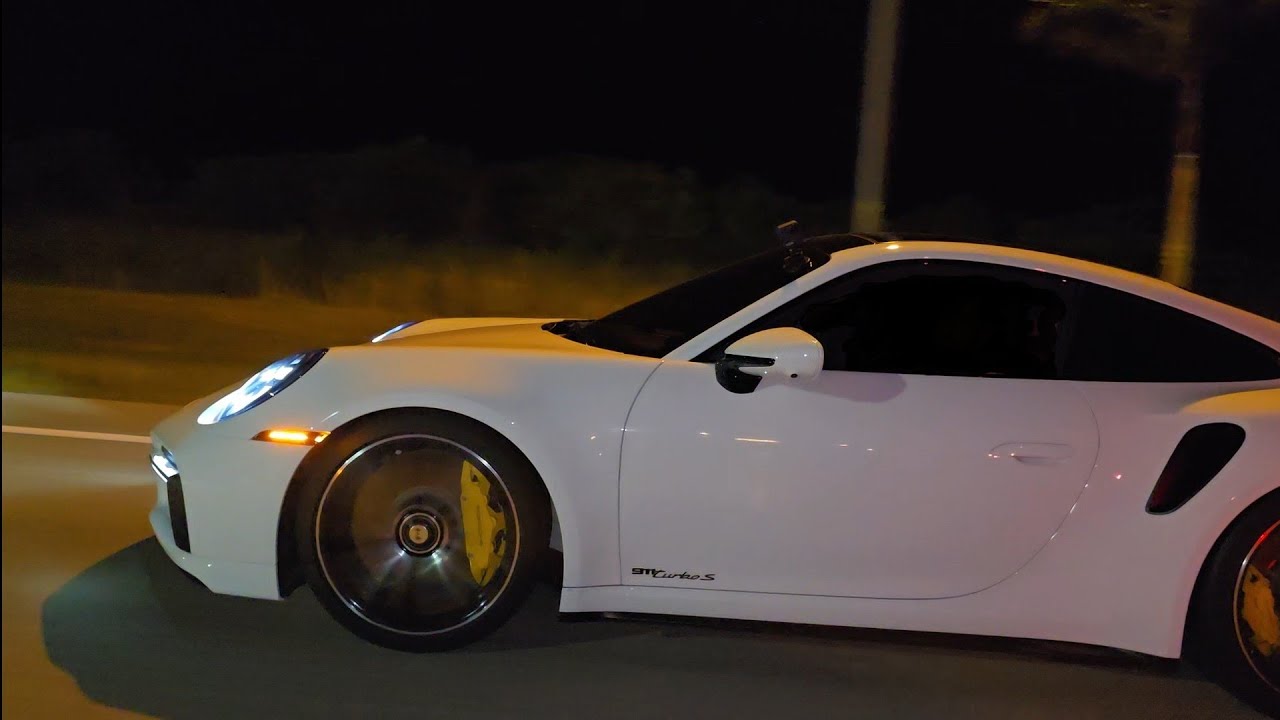
Some serious power is making it to the pavement when these two all-wheel drive supercars take to the interstate (in Mexico) for some high-speed low-drag shenanigans. Grab your gear and buckle-up ‘cause it’s about to get real. The 2022 Porsche 911 Turbo S is a German juggernaut. Featuring a rear-mounted twin turbocharged all-aluminum 3.7-liter flat six engine, the 911 Turbo S can accelerate from 0 to 60 mph in 2.2-seconds and blast through the quarter-mile in 10.7 seconds @ 137 mph. At a curb weight of 3,646-pounds, the Porsche 911 Turbo S has a top speed (electronically controlled) of 205 Read More
Posted in American, Contests, Electric, GoPro, Imports, Porsche, Tesla, Videos | Comments Off on Porsche 911 Turbo S vs. Tesla Model S Plaid – Street Hits
April 11th, 2024
Our friends at Hot Rod Heaven would like to introduce Bill Hoskinson and his 10-second street rod Chevrolet Malibu sedan. Bill is the daddy rabbit of the Street Racing Channel (SRC) family that includes BILLYTH3KID and TommyGun. The Old Man’s Garage is one of the most successful street/strip racing channels on the internet. This video gives us a closer look at the Chevrolet G-Body that Bill has built as his personal plaything. The body and chassis are bone stock with the exception of some lowering springs and spindles. The brakes are four-wheel disc from Strange Engineering. Under the hood, Bill Read More
Posted in American, Drag Racing, GoPro, How To, Muscle Cars, Nitrous, Videos | Comments Off on 10-Second Chevrolet G-Body Malibu – Old Man’s Garage
April 10th, 2024
Tonight, we get a look at the new Mopar hot rod. The Dodge Demon 170 is the latest and greatest thing to come out of Motown since Gladys Knight and the Pips. The big reveal will be unfolding on the streets (of Mexico). At a curb weight of 4,096-pounds, the all-wheel drive 2022 BMW M5 Competition is equipped with an all-aluminum twin turbocharged 4.4-liter V8 engine capable of producing 627hp and 553 lb.-ft. of torque in stock trim. Using the 8-speed automatic transmission, the M5 can accelerate from 0 to 60 mph in 2.6-seconds and turn the standing quarter-mile in Read More
Posted in American, BMW, Contests, Dodge, GoPro, Imports, Videos | Comments Off on Dodge Demon 170 vs. Modified BMW M5 Competition – 60 to 150 Street Hits














 stephend
That GT-R was baaad!
stephend
That GT-R was baaad!
 Dog
Bro, put the GTR in the title not some shitty vett
Dog
Bro, put the GTR in the title not some shitty vett
 Jean
1991 GMC Syclone was head to head with the Corvett
Jean
1991 GMC Syclone was head to head with the Corvett
 Chucky
Tickets or link for newark liberty
Chucky
Tickets or link for newark liberty
 try this
Hi! I like this website because i have a lot of op
try this
Hi! I like this website because i have a lot of op
 Extang Tonneau
That's one-of-a-kind street racing! Guess it
Extang Tonneau
That's one-of-a-kind street racing! Guess it